Gafchromic XR-M3 radiology films
Brand: Ashland | Category: Medical Equipment
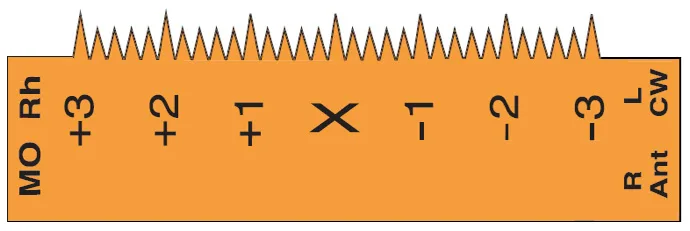
Mammography machine quality assurance is the specific application Ashland publishes for Gafchromic XR-M3. Like the rest of the radiology grades it covers a dose range of 2cGY to 20 cGY and an energy range of roughly 20keV to 200keV. A single format is published, 6.5cm x 2.3cm strips supplied 50 to a box under product code 972417.
Selected manufacturer specifications
| Parameter | Value |
|---|---|
| Recommended dose range | 2–20 cGy |
| Strip size | 6.5 × 2.3 cm |
| Pack size | 50 strips |
| Product code | 972417 |
Manufacturer-published film selection data. Dose range is not a standalone accuracy guarantee; use the film’s current instructions, batch calibration, scanner and validated dosimetry workflow. Confirm the supplied format and product code. Checked 2026-09-29.
Manufacturer reference document (opens in a new tab)
Confirm your configuration
Share the details you know so we can prepare a comparable, itemised offer.
- Imaging modality or beam, energy range and intended QA test
- Phantom/dosimeter geometry, detector/readout compatibility and calibration needs
- Required test inserts, analysis software, certificates and acceptance criteria
Get a Quote
Request an itemised quotation covering the proposed configuration, availability, lead time and agreed supply and support scope.
Useful details to share
- Clinical, training or facility application
- Required configuration, accessories and existing equipment
Share what you know. You can start with your name and a phone number or email; final specifications can follow.
Not sure which configuration you need? Help me choose
Contact Vvon Technologies Limited about Ashland equipment requirements in Bangladesh.
Phone: +8801805987890 | Email: info@vvon.com.bd
More from Radiotherapy Dosimetry & QA
- Gafchromic pnt-dos device
The pnt-dos device is the film element of the Gafchromic in-vivo dosimetry system: it is irradiated during the procedure and then read through the in-vivo dosimetry module of filmQA pro v8, letting dosimetry professionals verify that the dose was delivered as intended per device specifications. Under one inch long, half an inch wide and film thin, it reaches dose points in awkward places such as skin folds and sensitive areas around anatomy, and a light adhesive layer lets staff apply it to sloped surfaces once the plastic liner is peeled away, avoiding tape that can irritate skin. It is engineered to verify radiation doses in the low range below 80 cGy and the high range from 80 to 400 cGy. Every device carries a QR code holding serial number, expiration date and lot number, which is checked and recorded at each optical scan, and packages contain fifty measurement devices with three reference devices.
- Gafchromic XR-CT3 radiology films
CT scanner quality assurance is what Ashland designed Gafchromic XR-CT3 specifically to do. The strips respond over a dose range of 2cGY to 20 cGY and an energy range of roughly 20keV to 200keV, giving the fast and highly accurate measurement the Gafchromic range is built for. One published format is listed, supplied as 10cm x 1.9cm strips, 50 to a box, under product code 972416.
- FilmQA Pro software v8 with Gafchromic in-vivo dosimetry system
Version 8 of filmQA pro adds a Point dosimetry module that works with the gafchromic pnt-dos device to give medical radiation professionals accurate point dosimetry across radiotherapy and diagnostic radiology, verifying the radiation as a secondary check on the primary dose calculation for quality control. Each pnt-dos device arrives individually packaged in a UVC-protected bag so environmental conditions do not affect it before or after irradiation, and its 2-D barcode is read automatically so device details drop into the analysis report without typing. A custom jig holder on the supplied flatbed scanner positions devices correctly, minimising artefacts and inconsistency, and a new auto-calibration feature allows the treatment plan film to be measured in as early as 15 minutes. The films are passive, needing no external power or cables, which keeps electronic interference out of sensitive treatment environments.